毎年11月1日と2日、メキシコでは死者を祝う祭りが行われる。Día de los Muertos——死者の日だ。
日本のお盆に似ていると言われるが、全然違う。
お盆が静かに故人を偲ぶ時間だとすれば、死者の日は派手に、陽気に、賑やかに死者を迎える祭りだ。色とりどりの花、骸骨の仮装、お菓子のスカル——街全体が生と死が混ざり合う空間になる。
なぜこんなに明るいのか。
メキシコの人々にとって、死は終わりではない。死者は年に一度、この世に戻ってくる。家族や友人が迎えに行き、一緒に食事をして、音楽を奏でて、笑い合う。悲しむ必要はない。むしろ喜んで迎えるべき再会だ。
そのシンボルがカトリーナ——華やかに着飾った骸骨の女性だ。死を恐れず、美しく、誇り高く。死を身にまとうことで、生きることを肯定する。
メメントモリ(Memento Mori)と根っこは同じだと思う。死を想うことで、今を大切にする。ただメキシコはそれをもっと陽気に、もっと派手に表現する。
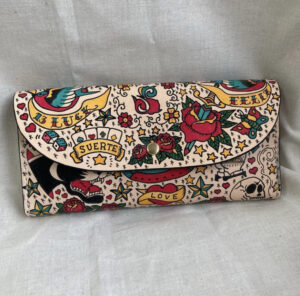
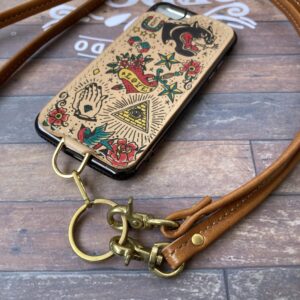
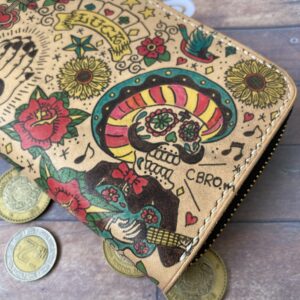
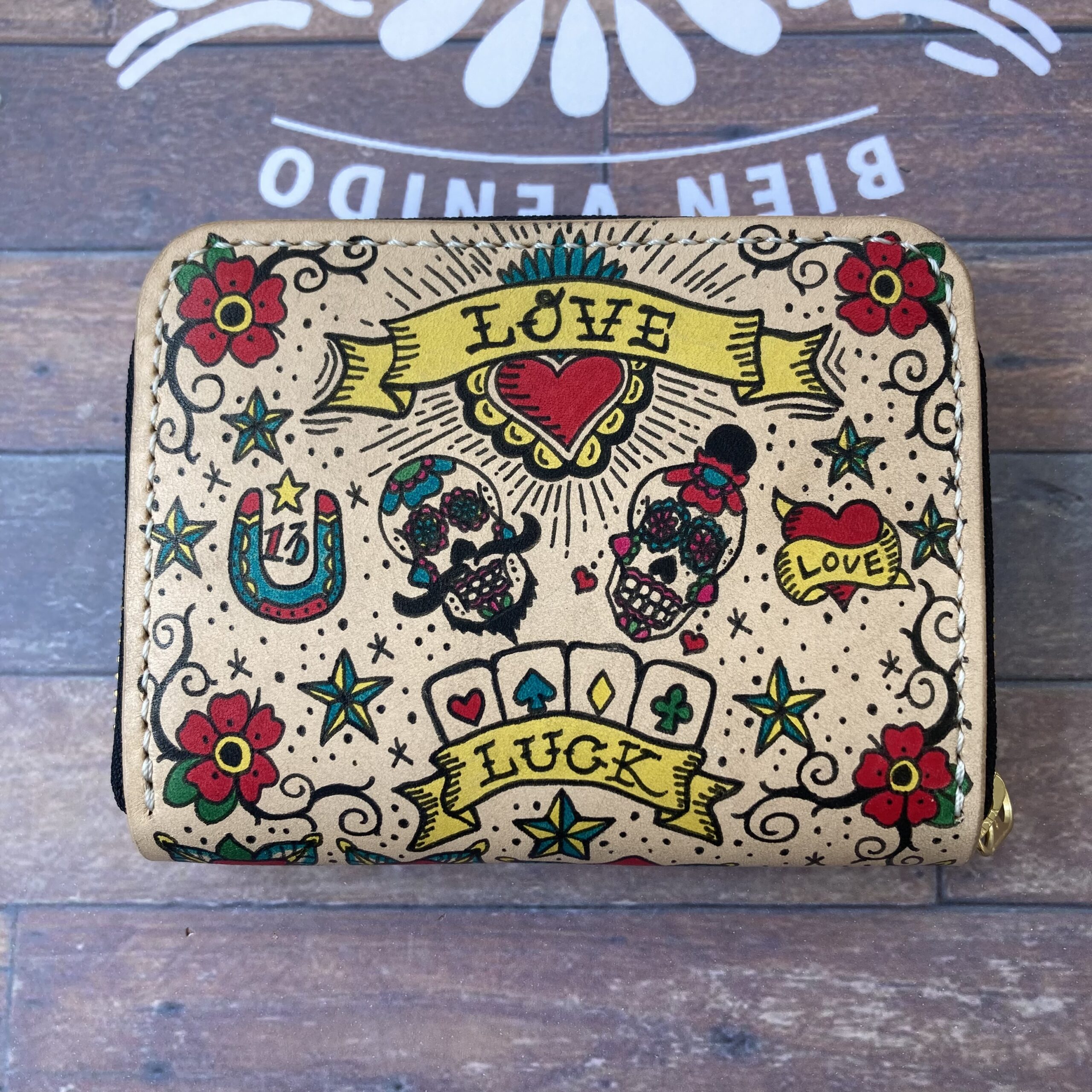
CBRO.mのモチーフにメキシカンスカルや薔薇が多いのは、そんな希望が込められている。死を恐れるのではなく、死と踊る。その感覚が革の上に生きている。
Every year on November 1st and 2nd, Mexico celebrates the dead. Día de los Muertos — the Day of the Dead.
People often compare it to Japan’s Obon, but they couldn’t be more different. Obon is quiet and reflective — a time to honor those who have passed. Día de los Muertos is loud, joyful, and full of life. Flowers in every color, skeleton costumes, sugar skulls — the whole city becomes a place where life and death exist side by side.
Why so cheerful?
For the people of Mexico, death is not an ending. The dead return once a year. Family and friends go out to meet them, share a meal, play music, laugh together. There’s no need for grief. It’s a reunion to be celebrated.
The symbol of this is La Catrina — a skeleton woman dressed in elegant clothes. Unafraid of death, beautiful, dignified. By wearing death, she affirms the act of living.
At its root, it’s the same as Memento Mori. Remember death, and you’ll treasure life. Mexico just expresses it louder, brighter, and with more flowers.
That’s why Mexican skulls and roses appear so often in CBRO.m’s work. Not fear of death — but dancing with it. That feeling lives in every piece of leather.